

Reflection
I used to believe that in order to live with purpose, I needed to have a sense of direction toward a life goal or imagined future. And for good reason. Most scholars fold having a goal or direction into their definition of the term. For example, in grants and papers, my team borrowed from McKnight and Kashdan (2009), defining purpose in life as having a set of life aims that motivate a person’s daily pursuits, decisions, and resource use and provides a sense of directedness (Radomski et al., 2024). Purpose in life seemed to require an arrow.

Reflecting on our inner Compass is the starting point for connecting with purpose in life, especially during times of transition when the way forward is unclear. This is precisely where I am these days. Retirement still feels unfamiliar (albeit pleasant!) and it’s impossible to look too far ahead without triggering a whole flock of worries as I support my family member with advanced cancer.

At various points in our lives, we experience significant transitions that prompt questions about what we’re doing and where we are going. Human beings (some of us, anyhow) have always thought about how to compose lives of purpose and meaning and we are in good company during these stretches. Aristotle (Greek philosopher, 384-322 BC) wrote on a wide range of topics including how to live a significant life – ideas that I find helpful today. Admittedly a gross oversimplification, Aristotle proposed that hedonia and eudaimonia influence our well-being or flourishing. Hedonia refers to happiness associated with the pursuit of pleasure, enjoyment, and pain-avoidance in the here and now whereas eudaimonia has to do with longer-term fulfillment through personal growth and living in alignment with virtue, our values, and purpose.

People with a robust sense of purpose (who are most likely to experience the health and well-being dividends described here) (1) know what makes them tick; (2) can articulate what they are trying to do with their wild and precious lives; and (3) intentionally and regularly make choices to live in alignment with their broader aspirations. That’s it. And that’s plenty.

The good news is that writing down realistic goals related to things we really care about can help us move closer to our aspirations. Goals that are the outcome of thoughtful reflection regarding who I am, where I aim to go, and what I can let go of help me feel regrounded and refocused, especially at the beginning of a new year, week, or even beautiful new day.

Earlier this summer, Jim and I enjoyed a community band concert at a park in Door County, WI. Approximately 70 members of the Waunakee Community band performed. From my vantage point on the hill, the band appeared to be composed of mostly older folks wearing their purple polo shirts and khakis. There were about 35 of us in the audience, at least half of whom seemed to be family/friends who had traveled a couple of hours with their band members.
We really enjoyed the music on a wonderful summer day but I had to ask myself: Why do these band members bother? I mean, they have to practice and then drive some distance to perform to, frankly, hardly anyone. In the end, I figure that they go to the effort because they love making music together and are motivated by the prospect of blessing someone doing what they love. Whether it’s one person or 30 or 100.

Earlier this summer, Jim and I enjoyed a community band concert at a park in Door County, WI. Approximately 70 members of the Waunakee Community band performed. From my vantage point on the hill, the band appeared to be composed of mostly older folks wearing their purple polo shirts and khakis. There were about 35 of us in the audience, at least half of whom seemed to be family/friends who had traveled a couple of hours with their band members.
We really enjoyed the music on a wonderful summer day but I had to ask myself: Why do these band members bother? I mean, they have to practice and then drive some distance to perform to, frankly, hardly anyone. In the end, I figure that they go to the effort because they love making music together and are motivated by the prospect of blessing someone doing what they love. Whether it’s one person or 30 or 100.

Over the past couple of months, I’ve been working on manuscripts to report findings from our most recent studies on purpose renewal for people who have experienced health transitions. We use the same standardized self-report instruments to measure before-after changes in purpose in life as are used in the scientific literature that evaluates the health and well-being benefits of living with purpose (see my new Research Brief). These data are extremely important but even more, I’m often moved by what participants tell us changes for them as the result of the purpose renewal process.

Earlier this month, I officially changed my work status from benefit-eligible part-time to casual. I watched my boss check new boxes on my HR record, including one that said “0 hours scheduled.” While I truly welcome this transition, I do not yet embrace the term “retired” as representing my status in life or my aspirations for this next chapter.

When you think of person who lives with a robust sense of purpose, who comes to mind? It’s tempting to assume that only fancy people with important jobs like Oprah, Dr. Fauci, or Michelle Obama (ok – you think of yours) are equipped or responsible to conduct purpose-directed lives, but of course, that’s not true.

Let me just say it: If we want a more robust sense of purpose, we probably need to shift something in our status quo. More than likely, this means doing something different and new, which, if you’re like me, is scary. Or terrifying (depending).


In her guide to cultivating one’s inner monk and artist, Christine Valters Paintner observes the seasonality of our days, weeks, and/or years and suggests that predictable patterns influence the ebb and flow of our creative life. She posits that dried up periods of fallow, flatness, and dysfocus align with the “work” of Winter. That is, instead of representing our failure and unpardonable sloth, our Winter work is to rest, repair, and prepare for the germination of Spring that is silently underway.

People feel like they are purpose-full when their lives follow a pattern in which they make everyday choices that align with their inner Compass (i.e., their strengths, values, and sources of personal meaning). Given that the “guts” of our inner Compass are unique, each of us live out our sense of purpose differently. Let’s face it – those of us that funnel our purpose choices into accomplishing or creating something often get more affirmation and attention over others who focus on being a certain way in this world by intentionally enacting virtues like kindness, compassion, or gratitude in real-time.

I love writing goals for myself, especially on the cusp of a new month (week or year) after a good night’s sleep and a cup of coffee when everything in life feels oh so possible. However, sometimes my goal-achievement hit-rate is pretty paltry and discouraging, which prompts me to wonder about the value of setting goals in the first place.


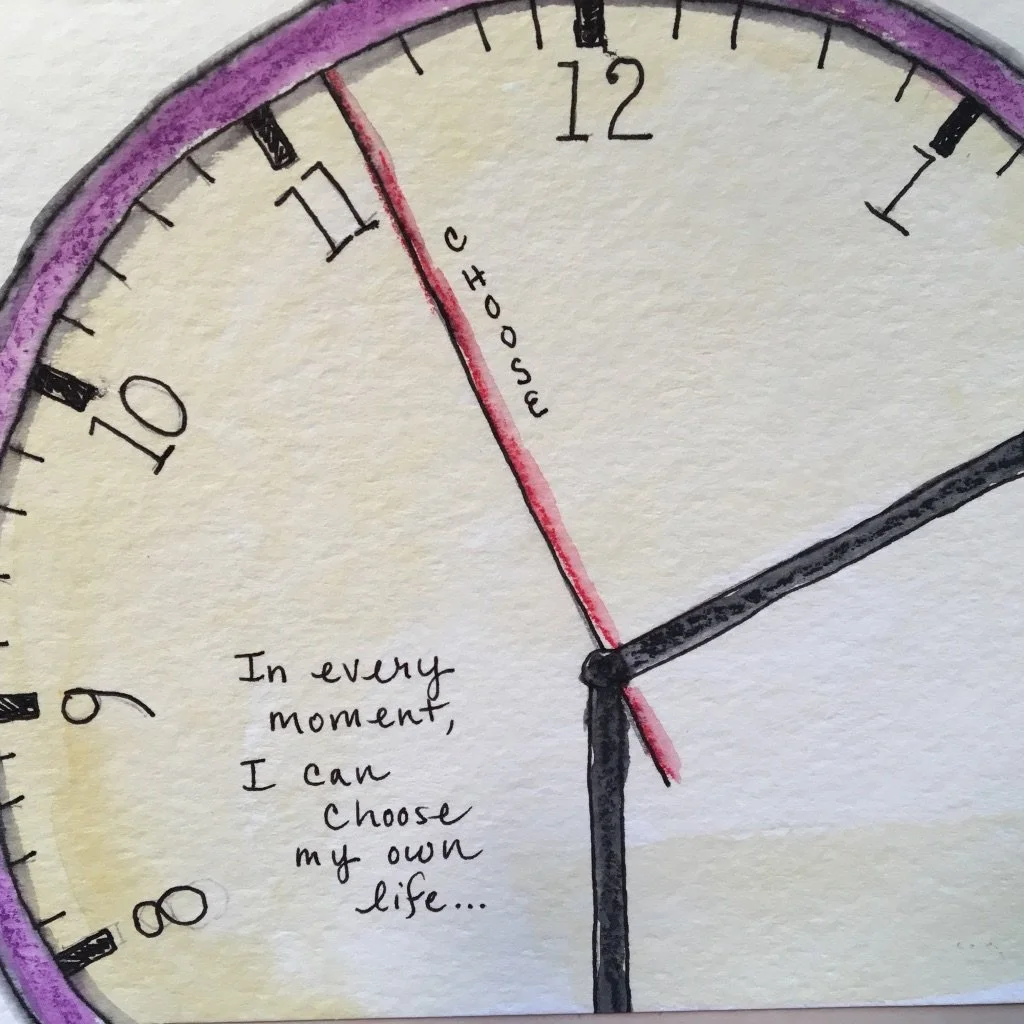
At some point, most of us will encounter circumstances that shatter life-as-usual and force us to appreciate the fragile and temporal nature of our lives. These experiences, often related to health, functioning, or relationships, can jolt us out of a mindless focus on petty distractions and catalyze a desire for authentic authorship and purpose in our lives and an appreciation for the poignancy of life itself (Yalom, 1980). This can be one of the small upsides of suffering but these potential dividends don’t come fast or easily, if at all.